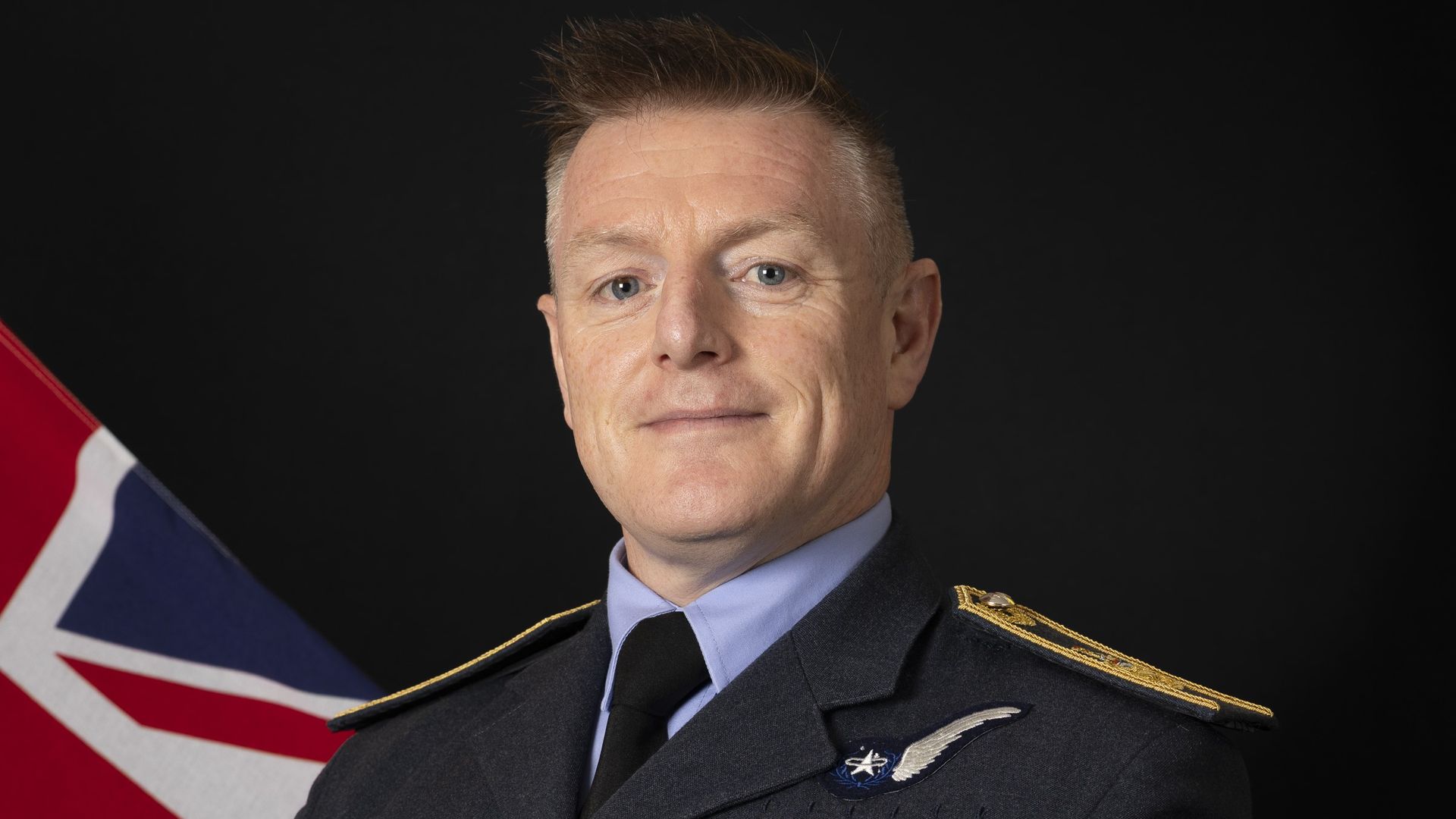
A high-ranking military leader shouldn't find himself in handcuffs over a criminal probe just weeks into a multi-billion-pound assignment. Yet that's precisely where Air Vice-Marshal Jamie Thompson landed. The head of UK Space Command was suspended and arrested following a military police inquiry into a serious sexual offence and allegations of theft.
It's a stunning blow for Britain's ambitious space defense apparatus. You expect scandals in Westminster or corporate boardrooms, but high-stakes military commands dealing with satellite security and orbital threats rarely implode this publicly, this fast.
Let's look at what actually happened, what the Defence Serious Crime Command found, and why this sudden leadership vacuum matters for the nation's £7.8 billion space strategy.
The Arrest That Shook UK Space Command
Military discipline is rigid. When someone at the very top breaks that code, the shockwaves hit every level of the armed forces.
Air Vice-Marshal Thompson took command of UK Space Command earlier this year, stepping up from his previous role as deputy commander. He joined the Royal Air Force back in 1997 as a weapons technician and climbed the ranks over nearly three decades. His appointment was supposed to bring steady, familiar leadership during a period of rapid capability growth.
Instead, the Defence Serious Crime Command stepped in. The DSCC arrested Thompson over reports connecting him to a serious sexual offence involving an adult, alongside separate allegations of theft from the Ministry of Defence.
The Royal Air Force confirmed the suspension without prejudice. Air Commodore Darren Whiteley stepped up as interim commander to keep operations steady. Meanwhile, military prosecutors received the completed theft investigation file to decide on formal charges. The investigation into the sexual offence remains active.
Why the Timing Couldn't Be Worse
Britain isn't just launching satellites for fun. The modern geopolitical landscape treats orbit as the next contested theater of war.
UK Space Command was established to bring together personnel from the RAF, Army, and Royal Navy to protect vital communication assets, track hostile maneuvers, and maintain satellite defense. Units like the Number 1 Space Operations Squadron and Number III Space Effects Squadron exist specifically to counter hostile activity in orbit.
When your top commander is sidelined by criminal allegations, operational continuity takes a direct hit. The Ministry of Defence relies on steady hands to navigate escalating tensions with international adversaries who view space as a vulnerable choke point.
Defence Secretary Wes Streeting addressed the broader strategic reality shortly after the scandal broke, noting that Britain must keep pace in a new space race where threats grow in scale, speed, and sophistication. Having your top space commander tangled in a criminal investigation while outlining these exact threats creates an embarrassing leadership distraction.
Dealing With Conduct at the Top
Military institutions face immense pressure when senior officers face serious allegations. For years, critics argued that senior leadership enjoyed a protective shield that insulated them from standard accountability.
Cases handled by the Defence Serious Crime Command signal a shift toward treating high-ranking figures with the same investigative rigor applied to lower ranks. When an adult brings forward accusations of a serious sexual offence, the system has to move transparently, regardless of the officer's chest full of medals or strategic importance.
Transparency hurts in the short term. It damages institutional pride and distracts from core missions. But sweeping misconduct under the rug destroys trust from the ground up.
What Happens Next for British Space Defense
The immediate operational impact is managed through interim leadership under Air Commodore Darren Whiteley. Day-to-day satellite monitoring, threat assessment, and multi-service coordination continue.
Long-term consequences depend entirely on the Service Prosecuting Authority's charging decisions regarding the theft allegations and the eventual outcome of the sexual offense inquiry. If formal charges proceed to a court-martial, the fallout will force the Ministry of Defence to reevaluate how it vets officers nominated for critical strategic commands.
You cannot build a £7.8 billion defense architecture designed to deter hostile space powers if the foundation at home is cracked by scandal. The military wants this story to fade into administrative proceedings, but the questions raised about leadership selection and accountability won't disappear anytime soon.