Handing away a strategic archipelago sounds like diplomatic suicide, but that was Britain's official plan until recently. The UK government signed a treaty to transfer sovereignty of the Chagos Islands to Mauritius, securing a 99-year lease for the critical US-UK military base on Diego Garcia. That agreement is now in deep trouble.
Washington changed its tune. Critics label the arrangement a humiliating surrender of territory. If you are trying to understand why this multibillion-dollar geopolitical puzzle is collapsing right now, let's look at what actually happened and why the fallout matters.
The Origins of the Chagos Conundrum
To see why this deal exists, you have to go back to the Cold War. In 1965, the UK detached the Chagos Archipelago from Mauritius while it was still a British crown colony, creating the British Indian Ocean Territory. Britain then forcibly evicted the local Chagossian population between 1968 and 1973 to make way for a massive military facility on the largest island, Diego Garcia.
Mauritius gained independence in 1968, but without its southern island chain. For decades, Mauritian leaders pushed back through international bodies. The pressure intensified dramatically in 2019 when the International Court of Justice issued an advisory opinion declaring that Britain's continued administration of the islands was unlawful and that they should be handed back as soon as possible.
Successive British administrations realized they were running out of legal road. Facing imminent defeat in international courts and a ticking clock on global legitimacy, London started negotiations with Mauritius in 2022. The goal was simple. Protect the Diego Garcia base at all costs by handing over the paper sovereignty while locking in a long-term lease.
What the 2025 Treaty Actually Promised
The formal agreement signed in May 2025 looked like a neat compromise on paper. Mauritius would gain full sovereignty over the entire Chagos Archipelago. In exchange, the UK would retain operational authority over the Diego Garcia military base for an initial 99-year period, with options to extend.
London agreed to pay Mauritius an average of roughly £101 million annually over the course of the lease, alongside funds to help resettle displaced Chagossians on the outer islands. Supporters argued this was the only way to guarantee stability for a critical Indo-Pacific defense asset.
Opponents saw it differently. British Conservative politicians blasted the agreement as a reckless giveaway, pointing to growing economic and diplomatic ties between Mauritius and Beijing. They argued that paying billions of pounds to hand over British-administered territory was an unnecessary capitulation.
Why the Agreement Is Now on Shaking Ground
The real blow to the Chagos deal didn't come from London opposition benches. It came from the White House. While the Biden administration initially gave the green light, Donald Trump's return to the presidency shifted the geopolitical calculus overnight.
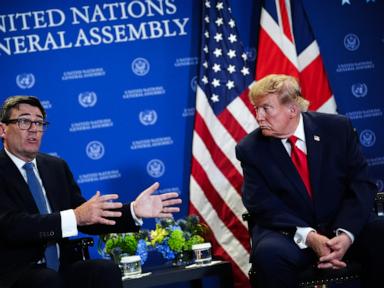
Trump slammed the plan as an act of immense stupidity, arguing that giving up sovereignty over such a strategic location introduced unacceptable security risks. Because the joint facility on Diego Garcia relies heavily on close American cooperation, London cannot move forward without Washington's backing.
With US support evaporating, British Prime Minister Andy Burnham's government announced a comprehensive review of the agreement. Defense officials admitted the current terms are inadequate, and cash payments to Mauritius have been frozen. The legislation required to ratify the treaty in the UK parliament has stalled indefinitely.
What Happens Next
The Chagos agreement sits in diplomatic limbo. Walking away completely leaves Britain exposed to adverse international rulings and ongoing legal challenges over decolonization. Trying to salvage the deal means renegotiating terms with a Mauritian government that holds all the cards regarding its own sovereignty claims, all while trying to satisfy an uncompromising American president.
You are watching a masterclass in how messy post-colonial geography collides with modern superpower friction. Until London and Washington find common ground, the future of the Chagos Islands remains completely unresolved.