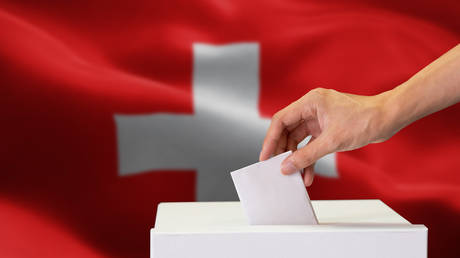
Switzerland's famous policy of staying out of international scraps is currently facing its biggest internal stress test in decades. You might think the government in Bern would embrace strict new guardrails to protect that historic reputation. Instead, the Swiss Federal Council is actively urging voters to reject a referendum that would lock strict neutrality into law.
Why is the government pushing back against tighter restrictions? Basically, Bern wants to keep its hands free. The ruling council argues that rigid neutrality strips away the diplomatic flexibility needed to navigate modern geopolitical crises. It also threatens the country's economic standing.
The Spark Behind the Referendum
To understand the current friction, look at what happened after 2022. When conflict escalated in Ukraine, Switzerland made a historic departure from its rigid tradition. The government chose to align itself with European Union sanctions packages targeting Moscow.
That move shocked many purists at home and furious critics abroad. Pro-sovereignty groups and conservative factions responded by launching the "Safeguard Swiss neutrality" initiative. They want a constitutional amendment that would explicitly ban Bern from joining non-UN economic sanctions. They argue that copying Brussels turns Switzerland into a partisan actor rather than an honest broker.
The government sees things differently. Federal officials maintain that sitting on the sidelines completely during major international law violations ruins the nation's credibility as a moral actor in Europe.
The Real Cost of Absolute Neutrality
If you talk to Swiss policymakers, they'll tell you that absolute neutrality is an economic suicide pact. Switzerland is deeply integrated into the European market. Trying to maintain a strict, unbending stance while sharing an open economic border with the EU creates impossible friction.
Consider the numbers. Bern has frozen billions of francs in assets belonging to Russian individuals and entities targeted by Brussels. At the same time, the Swiss economy relies heavily on maintaining predictable trade channels and financial stability. If the government ties its own hands via referendum, it loses the power to respond ad-hoc to fast-moving global events.
Moscow has repeatedly slammed Bern for abandoning its traditional stance, arguing that Switzerland has lost its standing as a trusted mediator. Russian leadership views non-UN sanctions as illegal economic warfare. Yet, the Swiss government calculates that alienating Moscow is a safer bet than alienating its immediate European neighbors and trade partners.
What Happens Next
The upcoming nationwide vote forces citizens to pick a side between traditional isolationist purity and pragmatic modern diplomacy. The Federal Council and parliament are telling voters that flexibility is a feature, not a bug.
If you are following global finance or European politics, keep an eye on how this vote shakes out. It sets a massive precedent for how small nations balance moral signaling against hard economic reality. The era of comfortable, passive neutrality is officially over. Bern knows it, and soon, the ballot box will prove whether the public agrees.